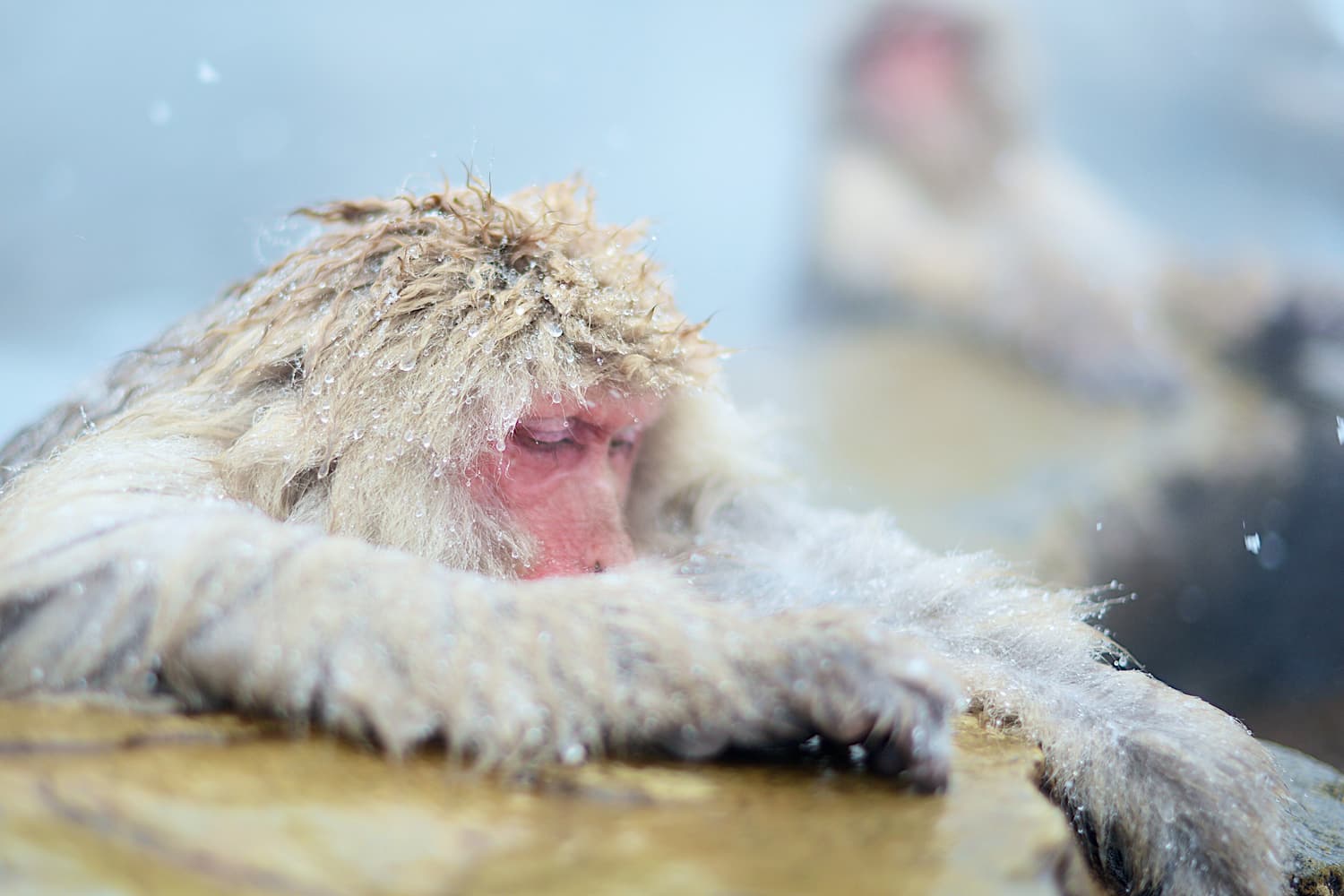
Above the onsen towns the road climbs through hairpins to Shiga Kogen, a rolling volcanic plateau between about 1,300 and 2,300 m. The whole area lies within Joshin’etsu Kogen National Park and was designated a UNESCO Biosphere Reserve in 1980. It belongs to Yamanouchi town, so the monkeys, the baths and the highlands are all part of one trip.
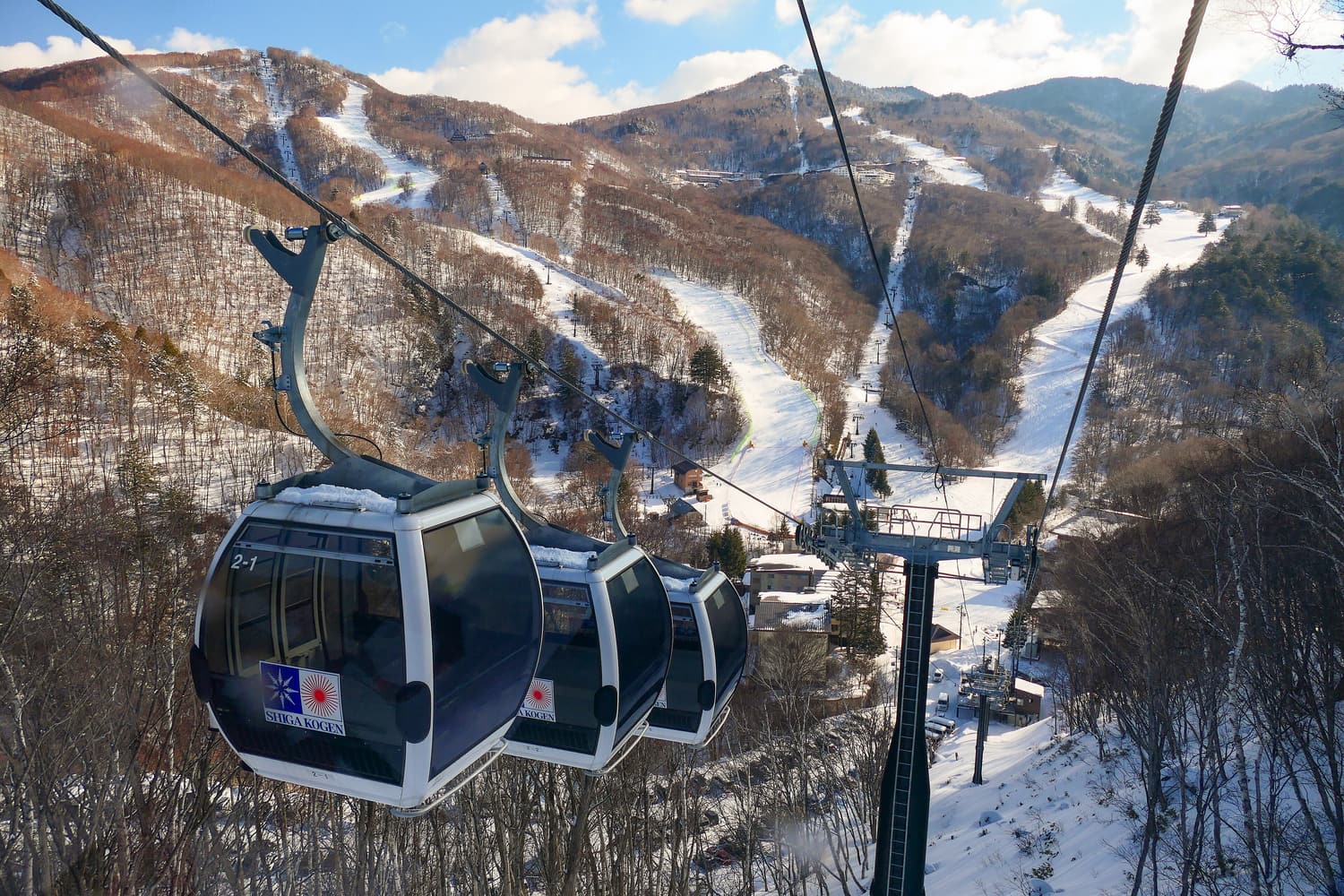
In winter Shiga Kogen is a ski resort on a scale unusual for Japan: 18 interlinked ski areas covered by a single lift ticket and joined by lifts, pistes and shuttle buses. It hosted alpine skiing and snowboarding events at the 1998 Nagano Winter Olympics. Its height means dry, cold snow and one of the longest seasons in the country, typically from late November into early May.
Top things to do: Shiga Kogen
Ski or snowboard the linked areas
The central areas around Ichinose, Takamagahara and Higashidateyama suit most intermediates; Yakebitaiyama and Okushiga at the far end have long, quiet runs; Yokoteyama–Shibutoge is the highest lift-served skiing in Japan. Beginners do well at Sun Valley and Maruike. Rental shops and ski schools with English-speaking instructors are available — reserve ahead in peak weeks.
Hike the Ike-meguri pond circuit
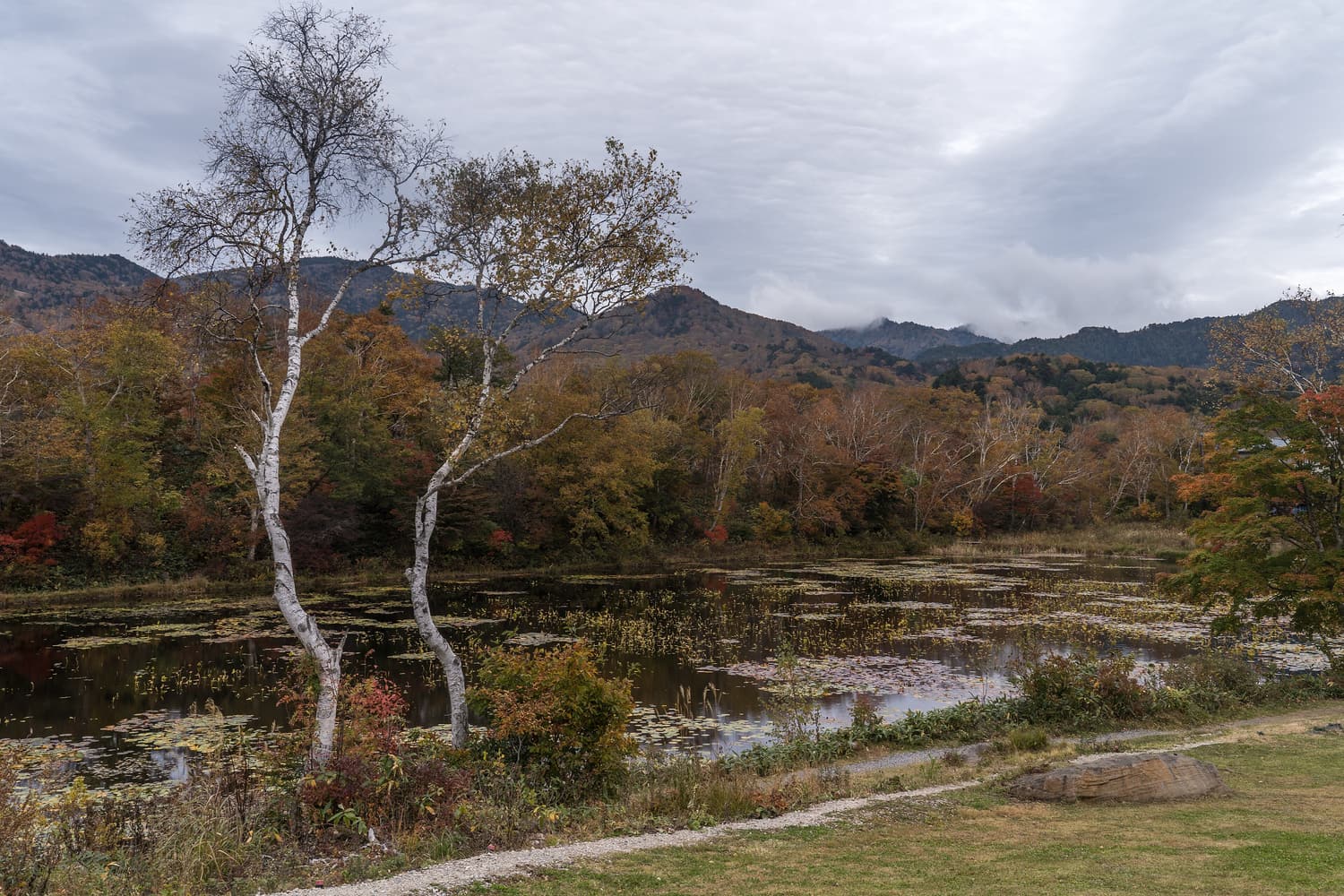
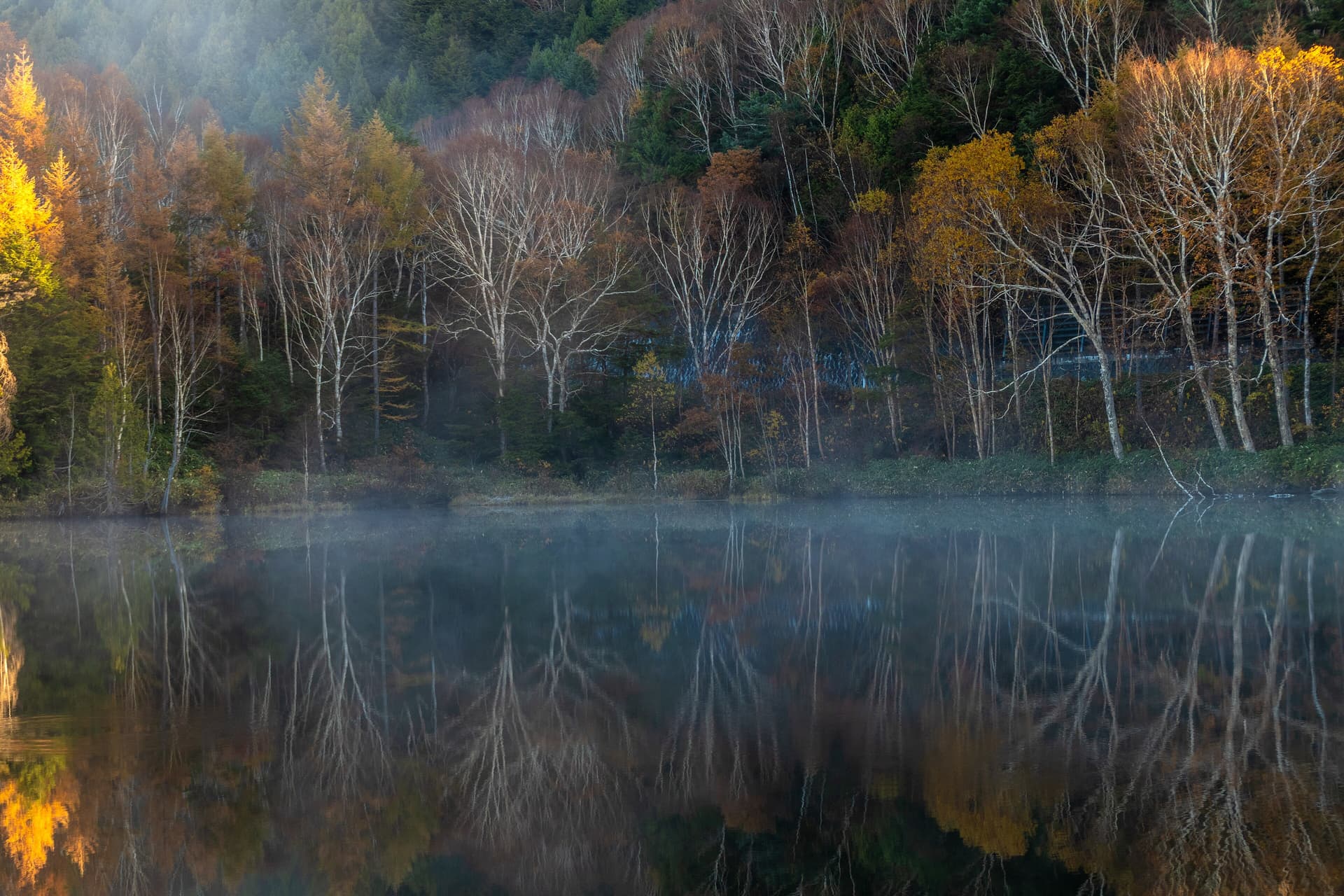
The classic summer walk is the Ike-meguri (“pond tour”) course: roughly 10 km and 3.5–4 hours through forest and marsh past Shibu-ike, the Shijuhachi-ike wetland and the vivid blue-green Onuma-ike with its red torii. Shorter nature trails loop around Hasuike, Kido-ike and Tashiro-hara.
Chase autumn colour and fireflies
Leaves turn from late September at the top to mid-October lower down — a full month ahead of Tokyo. In July, fireflies gather along the warm stream at Ishi-no-yu, a protected habitat noted for its altitude.
Combine snow and monkeys
Buses between Shiga Kogen and Yudanaka pass the Snow Monkey Park stop, so skiers can easily take a morning off for the monkeys — and monkey-watchers can ride up for an afternoon in the snow.
How to get there
- From Nagano Station: express buses from the East Exit run to Shiga Kogen in roughly 70–90 minutes depending on the area, more frequently in ski season.
- From Yudanaka Station: Nagaden buses climb to Hasuike, the central hub, in about 30 minutes and continue to Ichinose, Okushiga and, in the green season, towards Yokoteyama.
- By car: Route 292 from the Shinshu-Nakano interchange. Winter tyres or chains are essential from December to April.
Insider tips
- It is around 10 °C cooler on the plateau than in Nagano city. Bring a layer even in August.
- The ski areas are spread over a long valley; check which lifts link on the day, and note the time of the last shuttle bus back to your hotel.
- Bears live in these forests. On summer trails carry a bell and keep to marked paths.
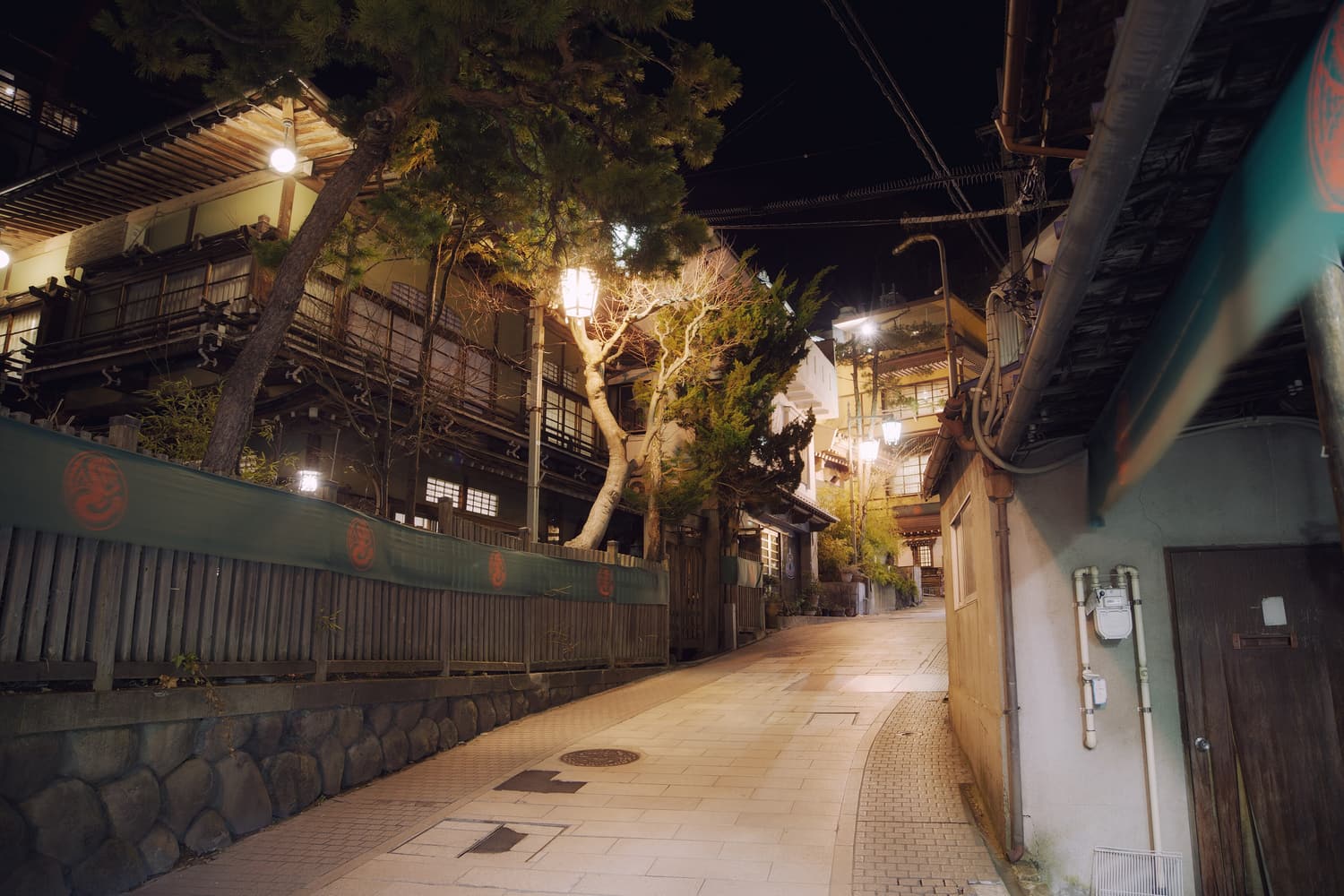
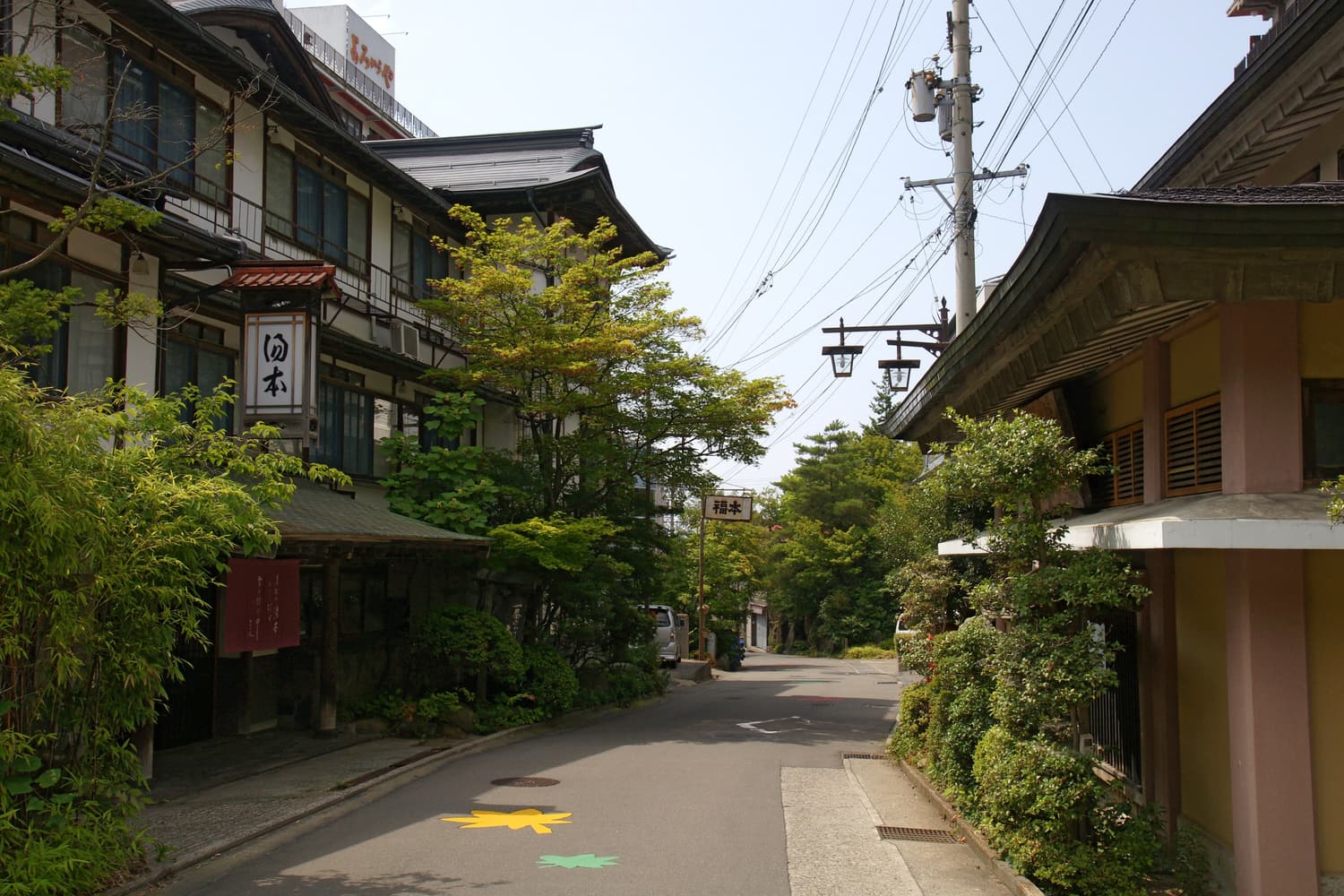
- Most accommodation is in hotels at the foot of the lifts rather than in a single village, so evenings are quiet. For streets and lanterns, stay down in Shibu or Yudanaka.
Best tours & tickets: Shiga Kogen
These top-rated experiences are the easiest way to see Shiga Kogen and the rest of the Yamanouchi area:
 Private nature tour from US$189
 Nagano: UNESCO Nature, Autumn Colours & Local Highlights Tour
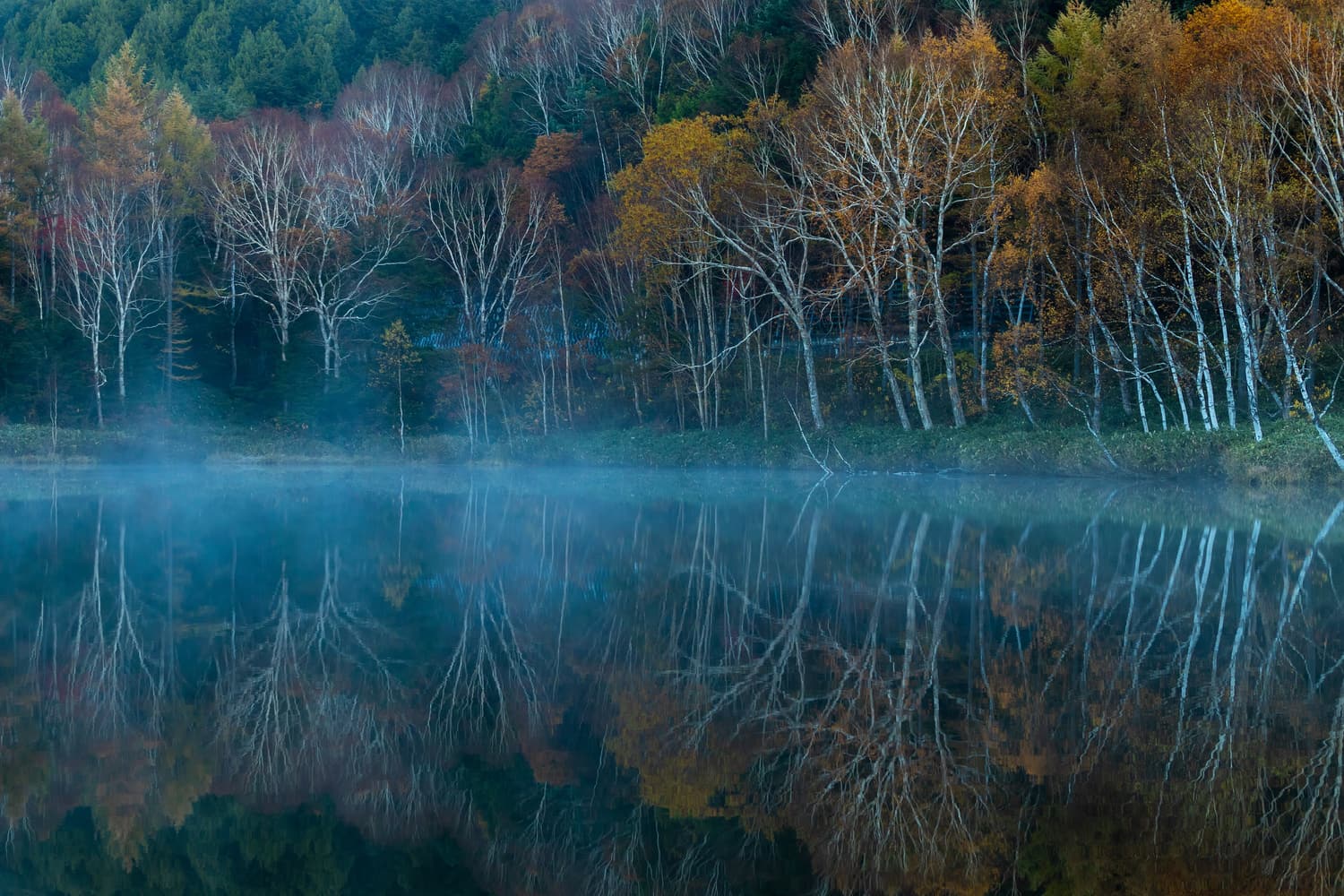
The green-season alternative to the monkeys: a guided day in the Shiga Kogen UNESCO Biosphere Reserve, with a walk through highland forest to the vivid Onuma Pond, local specialities to taste and photos from your guide.
- Walk to the emerald Onuma Pond in Shiga Kogen
- Highland air in summer, vivid colours in autumn
- Local food stops and transfers included
 Private tour from US$136
 Snow Monkeys & Best of Nagano: Togakushi, Zenko-ji and More
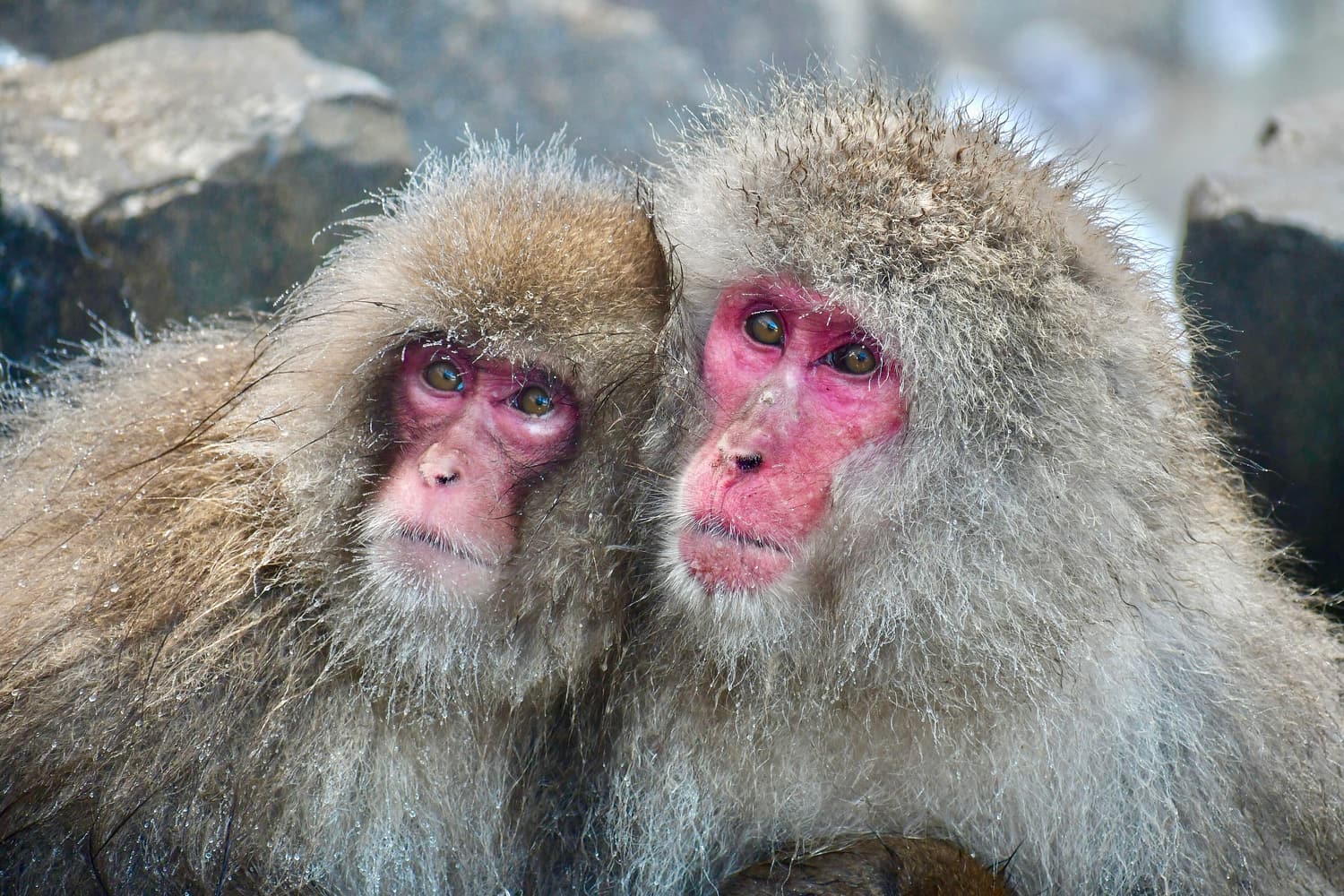
A flexible private tour run by a local outfit: do just the snow monkeys in half a day, or extend it into a full day paired with a second sight such as Togakushi or Zenko-ji. Good when you want a guide’s eye for the quieter corners.
- Choose an efficient half day or a full day
- Private car and English-speaking guide
- Add Togakushi, Zenko-ji or other nearby stops